Introduction
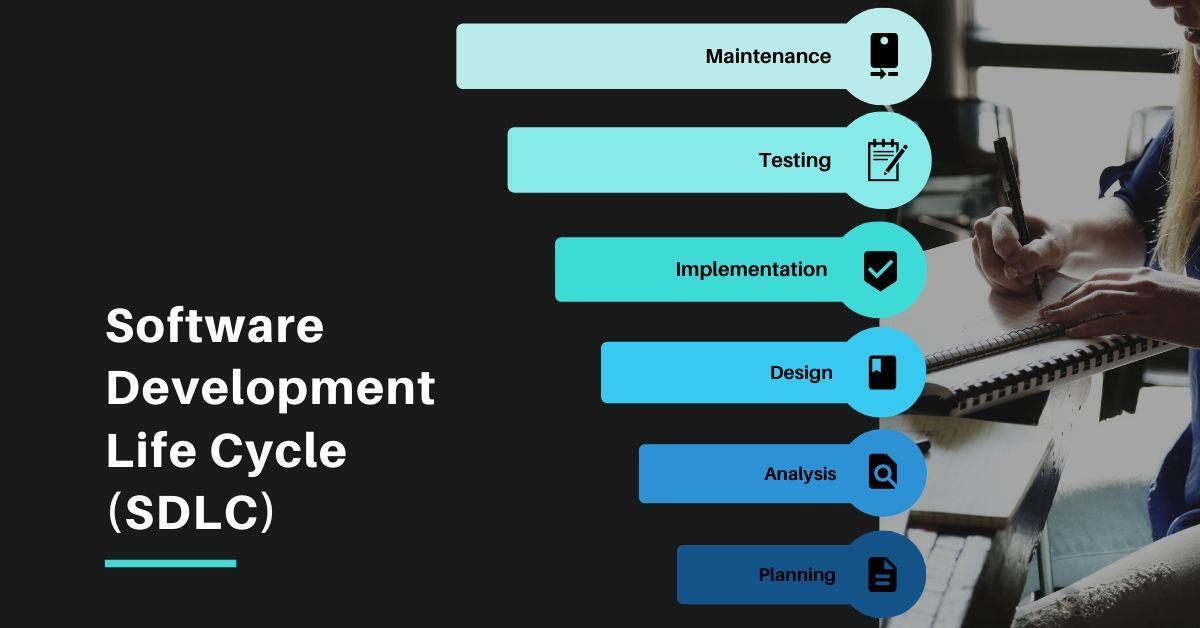
Software Development Life Cycle is a procedure that develops software in the shortest time with the highest quality and lowest cost. SDLC involves an itemized arrangement for how to create, maintain, modify, and supplant a software system. SDLC includes various stages, involving – planning, analysis, design, building, testing, and deployment.
What phase of the Software development life cycle?
The software development life cycle defines the business standard inside the project. In IT activities, SDLC has a great effect on producing a well-managed well-managed structure of a development venture while dealing with all the basic specialized strategies required to meet a definitive fulfillment. It involves stages whereby everyone is reliant on its past one; those stages are the planning, the analysis, the design, development, testing, and maintenance phase. Those phases are discussed briefly below.
Planning Phase
Without a good plan set up, it is hard to adjust everything to your task objectives and judge all of its scopes, strengths, and difficulties included. The planning is to make sure the development goes smooth, and accomplish its desired progress within the limit of time given.
Analysis Phase
The necessities and execution of the software through its production stages is critical to inferring process effectiveness. This phase consistently assists in knowing where you precisely remain in the process and what makes the stuff go through the subsequent stage down the way.
Design Phase
The design stage follows after the analysis. The essential point in this phase is to make a solid, feasible design of the software procedure. This assists in removing any imperfections or mistakes that may hinder the activity.
Development Phase
When the design is prepared, the development takes over alongside proficient recording and information. This is a complex stage where focus and clarity are incredibly important.
Testing Phase
The testing stage is unavoidable as it examines and studies the software for any mistakes and bugs that may raise a problem.
Maintenance Phase
Here in this stage, the product is appropriately maintained and overhauled as and when expected to make it increasingly versatile to the objective market.

Types of SDLC models
Here are a couple of essential kinds of life cycle models and they were clarified below.
Waterfall Model
The waterfall model is the most fundamental development model. It is quite direct and dependable. Development begins here with planning and design, followed by real coding, and the software is then tested and once affirmed, the maintenance procedure starts.
Spiral Model
New methodology was presented in 1988, in which the development happens in cycles. That is, rather than an exemplary gradual arrangement of the cascade model, one goes to and fro in an iterative way, while with each progression expanding the unpredictability and size of the software is like a spiral.
Iterative Model
In the iterative model, the process starts with the simple implementation of a subset of the project. All subsequent versions will showcase the enhancements and iteratively system will become more aligned to the requirements.
Big Bang Model
This model is totally different than other models where no specific process will be followed and development just starts with the basic fund and efforts are executed. There is no surety that customer needs can be met well while implementation hence it is less recommended.
Benefits of the SDLC
The systematic arrangement of development steps and exacting controls make sure the sufficiency of documentation.
It is framed very much point by point step.
It improves control and observation of the enormous project.
The cost of system development and the progress, fruition targets can be a measure.
The design audits assist to make sure the maintainability, quality, and reliability of the developed software.
SDLC & Outsourcing
Software outsourcing does work for every stage in the application development lifecycle. Here are some key details about the outsourcing of each stage.
Planning Phase
Planning is one of the most important stages and success of further steps will be highly dependent on the planning phase. Ideally planning phase rollout inhouse to have better command on the project and have fewer gaps in requirement mapping.
Analysis Phase
Similar to Planning this phase is also important and generally, an in-house team or some external consultants are involved to do the analysis of project requirements. Overall there are fewer chances to outsource the analysis phase.
Design Phase
This phase is kind of 50%-50?cause most of the companies outsource the design phase to external companies to save their cost. In house option is always expensive so to make the cost balance, outsourcing can be the right decision.
Development Phase
This is the most suitable phase to outsource if you are good with analysis and design. Usually, in the development phase, more resources will be required so here companies try to save their cost to a great extent by outsourcing the development phase.
Testing Phase
There are two strategies companies may go for the testing phase.
Option 1: If the company is more worried about quality, they execute a testing phase with an in-house team so they can achieve a good quality of deliverables.
Option 2: If the company would like to take some calculated risk of quality against cost-saving, they may go for outsourcing options.
Maintenance Phase
This is again the most suitable phase to outsource your support and maintenance activities. It can reduce the operating cost of the software if outsourced.
To know the right information about the outsourcing approach of SDLC of your software, you can contact Systemart. We are ready to help you with our experienced workers, and we are ready to help and guide you through the stuffy process of software development.