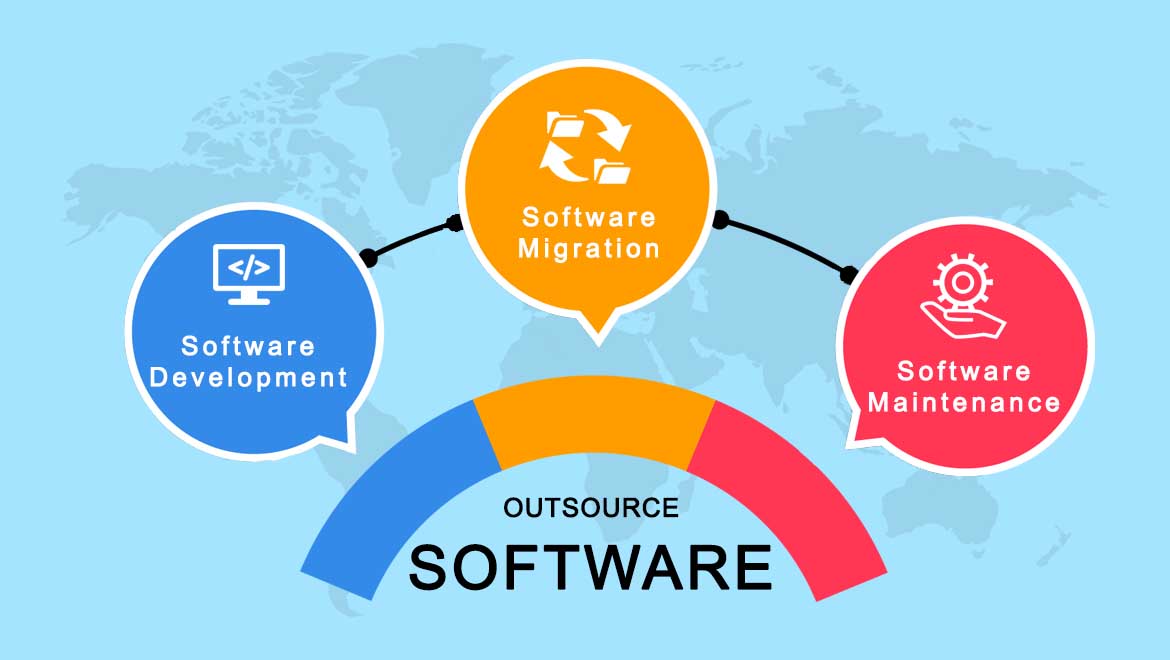
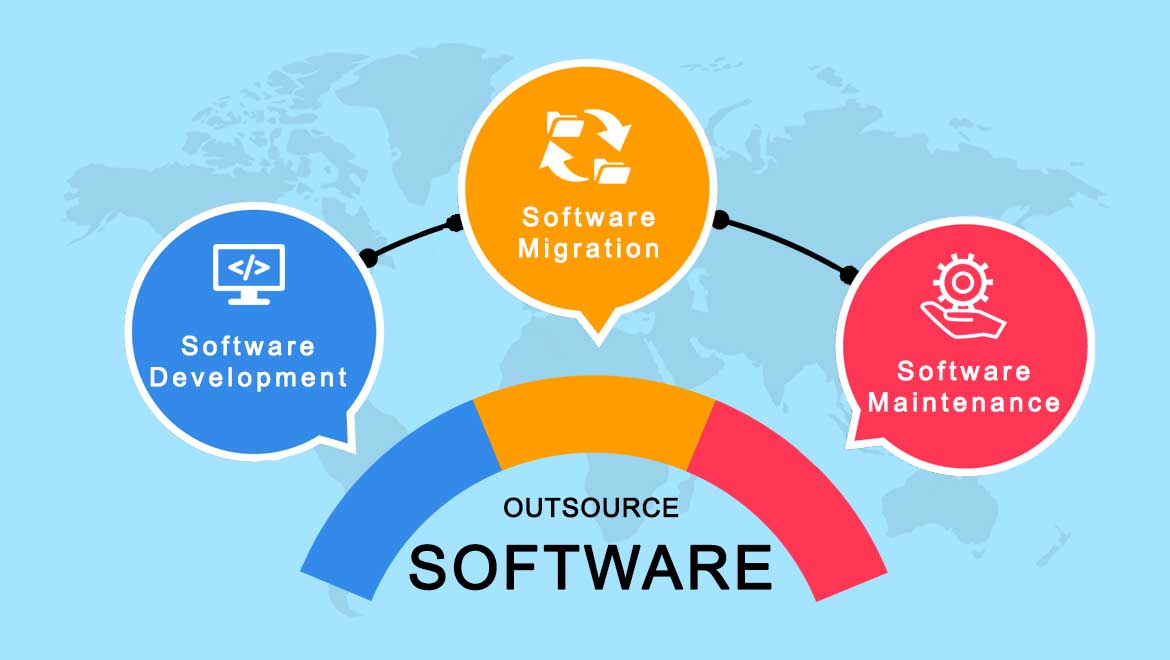
Outsourcing software development has risen as a worldwide trend in the present digital world. Outsourcing was considered only for budgetary reasons in the past. Organizations are ending up needing great ability that isn’t constantly available inside. How to outsource software development successfully is listed below.
How to Outsource Software Development
1. Selecting the Suitable Outsourcing Partner
Getting a suitable outsourcing partner is very important in outsourcing software. During the outsourcing search process, searching for a potential partner’s company character, past work, and enrollment procedure. An intensive initial estimation will guarantee that your next software development venture starts in good shape.
2. Choosing the Best Outsourcing Model
Knowing the actual outsourcing model suitable for your business is the initial step. This procedure starts with an inner estimation, which includes investigating your in-house development group’s understanding, weaknesses, and capacities.
3. Set Plain Expectations
Setting a basic expectation is also essential here to avoid spending real cash working together with an outsourcing partner. However, numerous organizations find themselves in this same situation throughout their initial experience in outsourcing development. The ideal approach to avoid this situation and guarantee that your development venture goes off effortlessly is to ensure that your objectives and plans are as clear as possible from the earliest starting point.
4. Open Communication
Setting up plain open communication from the starting point of the task is important to achievement in your next software development venture. Try to confirm precisely what time of day your outsourced group is relied upon to be working if they are situated in an alternate piece of the world.
Software Migration
Software migration transfers installed applications and information from one bit of hardware to the next. Software migration is the act of moving data and records from one functioning environment to another. It could be migrating from one operating system to another or moving from one platform to another. It could likewise refer to times when owners move similar software from one bit of computer hardware onto the next or change both hardware and software simultaneously.
Software migration is a conventional term that can refer to a move for databases, content management systems (CMS), applications, and working systems. Migrating from one bit of software to another can be difficult enough for a person. For a whole organization, it is an IT nightmare. Since many things can turn out badly in such a lengthy procedure, it’s essential to plan out and follow any software migration cautiously. Finding an outsourcing vendor with experience in migration to a similar environment would be a good idea. The vendor must be aware of the old and new platforms.
Read More: Advantages of Software Outsourcing Services
Software Maintenance
Software maintenance is a significant purpose to update and modify software applications after delivery to exact faults and enhance performance, features, or functionalities. Software maintenance is a tremendous activity that involves mistake amendment, optimization, enhancement of existing features, and deletion of discarded parts. Since these progressions are fundamental, a component must be made for making modifications, controlling, and estimating. The important portion of software maintenance requires arranging an exact plan during the development cycle.
1. The SM procedure involves a maintenance arrangement that contains a software plan and issue identification.
2. The issue investigation process involves checking validity, looking at it and coming up with a solution, and lastly, getting all the necessary help to apply for a change.
3. The procedure acceptance by affirming the changes with the person who raised the demand.
4. The stage migration procedure is utilized if the software needs to be ported to another stage with no shift in usefulness.
Types of Software Maintenance
1. Corrective maintenance: Corrective maintenance might be essential either to redress a few bugs watched while the system is being used or improving the function of the system.
2. Adaptive maintenance: This involves alterations and updations when the clients need the item to interface with new software and hardware.
3. Perfective maintenance: A software product needs maintenance to help the new characteristics that the users need or to change various sorts of system functionalities as indicated by the user requests.
4. Preventive maintenance: This maintenance involves updations and changes to protect against future software issues. Contact Systemart, LLC for outsourcing your software service.